The Often-Neglected Nail Border
When people think about nail care, attention naturally goes to the nail itself — its length, color, and surface condition. The skin directly surrounding each nail — the cuticle, the lateral nail folds, and the skin immediately adjacent to the nail edge — gets far less focus. Yet this area has an outsized effect on the overall appearance of the nail.
Rough, dry, or peeling skin around the nail border makes even perfectly trimmed, clean nails look neglected. Conversely, nails surrounded by soft, well-conditioned skin look more polished and well-maintained without any other change. Caring for this area is a high-impact, low-effort addition to any nail care routine — one that most people skip simply because no one told them it mattered.
Why Skin Around Toenails Gets Dry
The skin surrounding toenails tends to dry out faster than other areas of the foot for several reasons that compound on each other:
Thin and delicate: The skin at the nail border is significantly thinner and more delicate than the skin on the heel or ball of the foot. It loses moisture more quickly and shows the effects of dryness more visibly.
Continuous friction: This area is in constant contact with footwear throughout the day. The friction of shoes and socks against the nail border gradually removes natural oils from the skin surface, contributing to dryness over time.
Low on the moisturizing priority list: Most people moisturize their heels if they moisturize their feet at all. The nail border area is rarely targeted specifically, despite needing more focused attention than other foot areas.
Environmental factors: Low humidity environments — whether outdoor cold air in winter, indoor heating, or air-conditioned offices — strip moisture from this delicate skin consistently. People who spend significant time in these environments are particularly prone to dry nail skin.
Water exposure patterns: Paradoxically, repeated soaking in water followed by inadequate moisturizing can dry out the nail border area. Each soak-and-dry cycle removes some of the skin's natural lipids, and without conditioning replacement, the area becomes progressively drier.
Identifying the Signs of Dry Nail Skin
The visual signs of dry, undernourished skin around toenails are generally easy to recognize once you know what to look for:
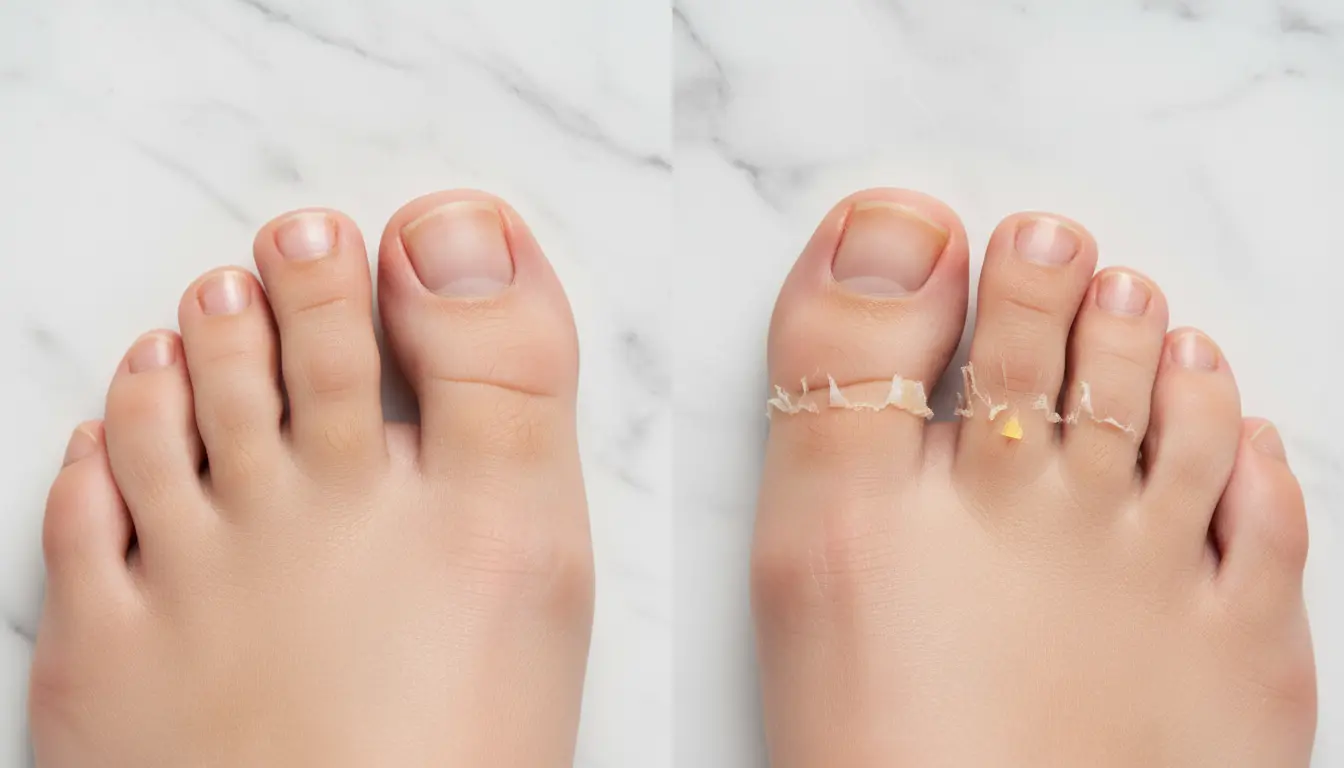
- Cuticles that appear ragged, dry, or seem to be separating from the nail plate
- Flaky or peeling skin at the sides or base of the nail
- A tight, stretched feeling in the skin around the nail when the toe flexes
- Rough, uneven texture in the skin immediately surrounding each nail
- In more pronounced cases, small cracks or splits in the skin adjacent to the nail edge
- An overall dull, rough appearance to the nail area despite otherwise clean nails
Any combination of these signs indicates that the nail border area needs more targeted conditioning than it's currently receiving. The good news: this responds well to consistent daily care, and improvement is often noticeable within two to three weeks of maintaining a proper routine.
Moisturizing Strategies That Actually Work
The timing of moisturizer application matters as much as the product itself. The most effective time to condition the skin around toenails is after bathing — immediately after drying — when the skin is still slightly warm, has been temporarily softened by water, and is most receptive to absorbing conditioning ingredients.
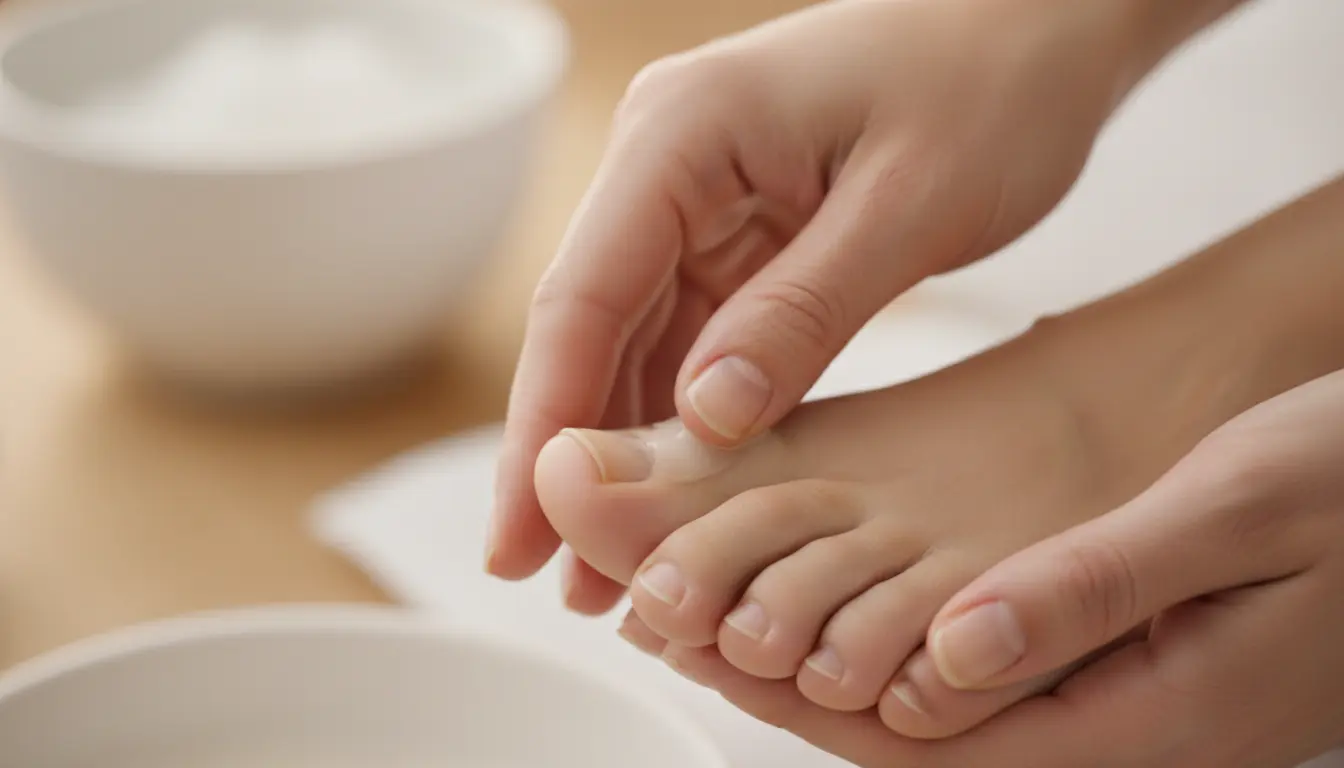
Don't just apply product to the nail surface and move on. Use a small amount of conditioning formula and massage it specifically into the cuticle area at the base of each nail, along both sides of each nail (the lateral folds), and under the free nail edge if accessible. Work it in with a gentle circular massage motion, which supports absorption and improves local circulation in the area.
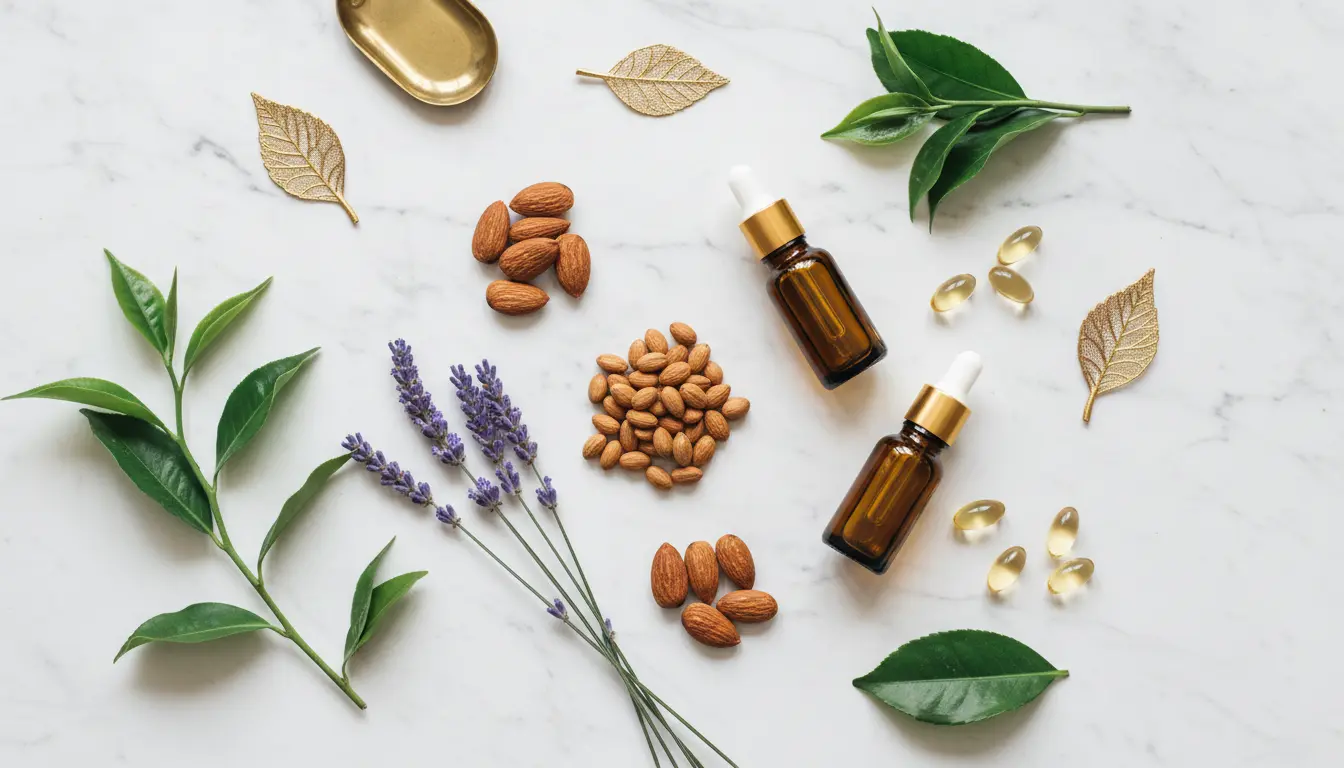
A targeted nail conditioning formula like KlaroNail Premium Formula — formulated specifically for the nail and surrounding skin rather than the broader foot surface — delivers more focused conditioning to this area. Its key ingredients including Jojoba Oil, Sweet Almond Oil, and Vitamin E absorb well without leaving a heavy or greasy film.
Consistency is the crucial variable. One application softens the area temporarily. Daily application over two to four weeks creates a sustained improvement in the texture and appearance of the nail border skin that is maintained as long as the routine continues.
Gentle Exfoliation for the Nail Border Area
Accumulated dry skin cells on the nail border contribute to the rough, dull appearance of this area even when the underlying skin is reasonably healthy. Gentle, periodic exfoliation removes this surface buildup and allows conditioning products to reach the skin beneath more effectively.
Gentle exfoliation of the nail border doesn't require specialized products. After bathing, when skin is softened by warm water, a soft washcloth used with light pressure around each nail is often sufficient. For slightly more pronounced buildup, a gentle exfoliating scrub applied with a soft brush to the nail border area provides more thorough removal.
The key word is gentle. Aggressive scrubbing or using coarse files on the nail skin can irritate the area and create small abrasions that look and feel worse than the dryness being addressed. Once or twice per week is appropriate for most people when combined with consistent daily conditioning.
Using Nail Oils Effectively
Targeted nail and cuticle oils are among the most practical tools for caring for dry skin around toenails. A small drop applied to the cuticle and nail border daily provides concentrated moisture support exactly where it's needed — more focused than a general foot lotion, and better absorbed than thick creams in this delicate area.
The most effective oils for this area include jojoba, sweet almond, argan, and vitamin E — all well-established in nail and cuticle conditioning formulations. Look for nail care products that combine several of these, as their combined conditioning effects tend to be more comprehensive than any single oil alone.
Application technique matters. Place a small amount on the fingertip and press it into the cuticle area at the base of the nail, then along both sides. Massage gently in small circles. Allow it to absorb before putting on socks. This takes about thirty seconds per foot and produces a visible improvement in nail border appearance when done daily over several weeks.
Protect and Prevent Going Forward
Once the skin around your toenails is well-conditioned, maintaining it is far easier than getting it there. A few protective habits keep the progress you've made:
- Wear gloves during household cleaning to minimize chemical contact with feet (and hands).
- Dry feet thoroughly after every bath or shower — especially around nail borders.
- Choose breathable footwear that doesn't create friction on the nail borders.
- Apply your conditioning formula daily without exception.
- In cold or low-humidity seasons, consider applying conditioning formula twice daily — morning and evening — to compensate for increased environmental moisture loss.
Prevention is always easier than recovery. A sixty-second daily conditioning routine, applied consistently after bathing, is all most people need to maintain well-conditioned, smooth nail border skin indefinitely.
Frequently Asked Questions
The nail border skin is thinner and more delicate than other foot skin, making it more prone to moisture loss. Environmental factors like low humidity, air conditioning, repeated water exposure, and friction from footwear all contribute to dryness in this area.
Daily moisturizing is recommended for best results. Apply after bathing when the skin is slightly warm and receptive. Consistent daily application produces a sustained conditioning effect that improves visibly over two to four weeks.
Gentle exfoliation is safe and beneficial. After bathing when the skin is soft, use a soft washcloth or gentle exfoliating product around the nail border with light pressure. Avoid aggressive scrubbing, which can irritate this delicate area.
Jojoba oil, sweet almond oil, vitamin E, lavender oil, and argan oil are among the most effective for conditioning the nail border area. These absorb well without heavy residue and provide sustained moisturizing support with consistent use.
Yes. Daily conditioning, thorough drying after bathing, protecting feet from prolonged chemical exposure, and wearing breathable footwear all contribute to preventing the dry, rough nail border skin that develops with neglect. Prevention through consistent daily care is far easier than correction after the fact.