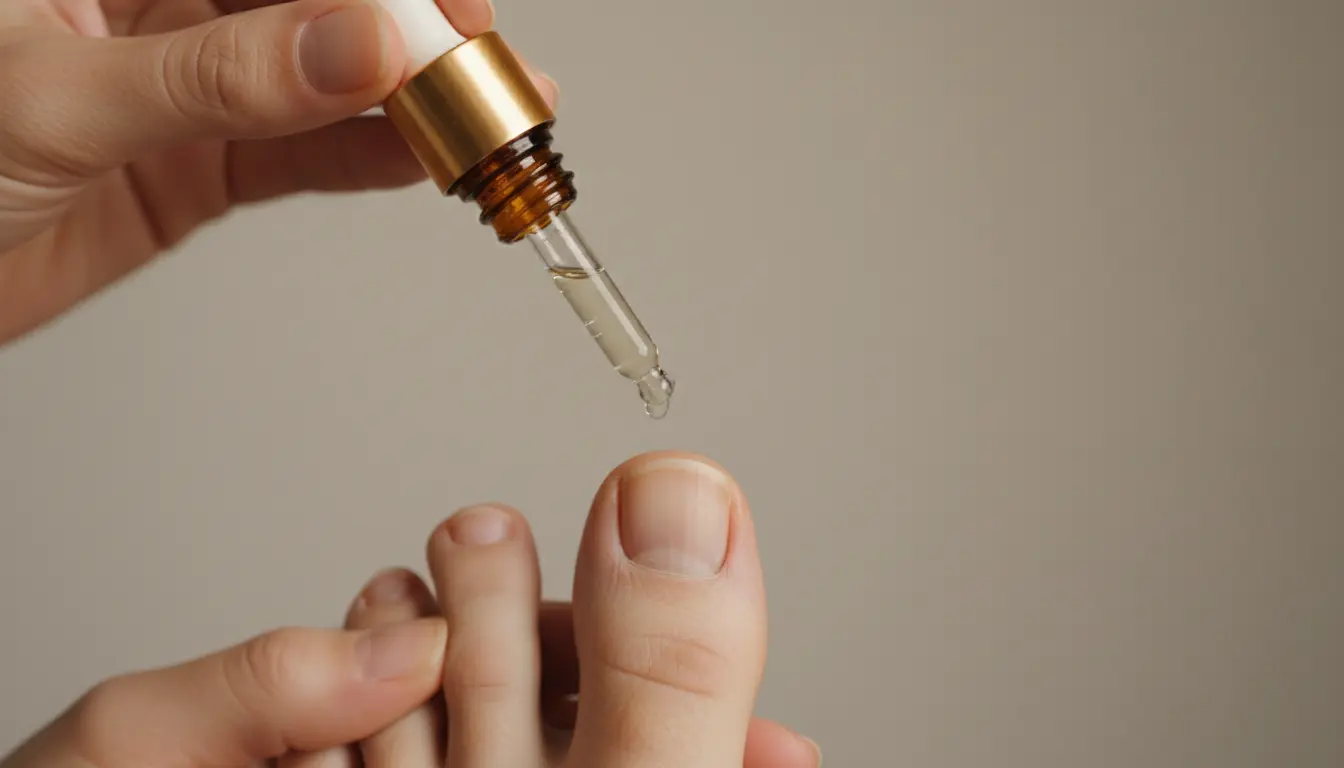
Understanding What "Brittle" Really Means
When people describe their toenails as brittle, they usually mean one of a few things: nails that break, chip, or crack more easily than they should; nails that look dry or dull rather than smooth; or nails that feel fragile at the edges when trimmed. Sometimes it's a combination of all three.
Brittle-looking nails aren't a single condition with a single cause. Multiple everyday factors — both internal and external — can contribute to the way your toenails look and feel. The good news is that addressing these factors with a consistent care routine often leads to noticeable improvements over time.
Moisture Imbalance: Too Much or Too Little
Here's something that surprises many people: both excessive moisture and insufficient moisture can contribute to brittle-looking nails. It's a balancing act.
Nails that are repeatedly soaked in water — think long baths, swimming, or washing dishes without gloves — expand and contract as they absorb and then lose moisture. Over time, this repeated cycle can weaken the nail structure, leaving nails looking soft, flaky, or brittle.
On the other end, nails that are consistently dry — from low humidity environments, frequent hand washing without moisturizing, or simply not applying conditioning products — can become hard in a way that makes them prone to cracking rather than flexing naturally.
The solution to both extremes is the same: a consistent moisturizing and conditioning routine that supports the nail's natural balance. Applying a topical conditioning formula after washing helps replace moisture loss, while limiting prolonged water exposure prevents over-saturation.
Nutritional Factors Worth Considering
What you eat can influence how your nails look, though the relationship is more subtle than many nail care articles suggest. Severe nutritional deficiencies are relatively uncommon in people with varied diets, but marginal intake of certain nutrients may affect nail appearance over time.
Biotin — a B vitamin — is frequently discussed in the context of nail care. It's found naturally in eggs, nuts, legumes, and whole grains. Zinc, found in meat, shellfish, and pumpkin seeds, also plays a role in maintaining nail integrity. Vitamin E supports skin and nail conditioning from the inside.
Iron is another nutrient worth mentioning: low iron can sometimes cause nails to appear thin or spoon-shaped. If you have dietary concerns or suspect a nutritional issue, speaking with a healthcare provider is the most appropriate next step rather than self-diagnosing from nail appearance alone.
External Stress and Trauma
Physical stress to the nail is one of the most straightforward causes of a brittle or damaged nail appearance. Repeated minor trauma — from poorly fitted shoes, high-impact exercise, or stubbing a toe — can affect how the nail grows and looks.
Tight footwear is particularly problematic. When shoes press on the toenails repeatedly, it disrupts normal growth and can lead to thickened, discolored, or misshapen-looking nails. Athletes who run long distances or participate in sports with lots of stopping and starting are especially susceptible.
Protective footwear, proper nail trimming, and allowing time for rest between activities all contribute to keeping nail trauma at a minimum.
Aging and Natural Changes in Nail Appearance
As we age, our nails change. This is a normal, universal process. Nails commonly grow more slowly, may become thicker, and can start to appear more ridged or less smooth than they did in earlier years. The keratin that makes up the nail structure can become less flexible, making older nails more prone to cracking or breaking.
Circulation changes that come with age also affect how efficiently nutrients are delivered to the nail bed, which can impact how nails look over time. This doesn't mean there's nothing you can do — it means that a consistent, targeted nail care routine becomes more valuable, not less, as the years pass.
A daily topical conditioning routine — including products like KlaroNail Premium Formula — can help support the appearance and conditioning of toenails regardless of age.
Environmental Exposure
Cold, dry weather can strip moisture from nails and surrounding skin, contributing to brittle appearances. Very low humidity environments — whether outdoors in winter or indoors with central heating — have a similar effect. People who spend long hours in air-conditioned offices often notice their nails becoming drier over time without realizing the connection.
Chemical exposure also plays a role. Cleaning products, solvents, and harsh detergents can dry out nails and the skin around them when they come into regular contact. Using gloves during household cleaning and rinsing the feet after exposure to pool chemicals are simple protective measures.
Practical Care Strategies for Brittle Looking Toenails
Once you understand what's contributing to brittle nail appearance, you can build a routine that addresses it. Here's what a practical approach looks like:
- Moisturize consistently: Apply a nail and skin conditioning formula daily after bathing. Don't skip this step.
- Keep nails trimmed properly: Short, smooth edges are less likely to catch, break, or worsen from trauma.
- Limit prolonged water exposure: Dry feet thoroughly after bathing and between the toes.
- Choose footwear thoughtfully: Breathable, properly fitted shoes reduce nail stress significantly.
- Be patient: Nail improvement from a consistent care routine takes time — nails grow slowly, and real improvement happens over weeks and months of daily attention.
Results vary between individuals, but the overarching principle is simple: consistent care, every day, adds up to a meaningful difference in how your toenails look over time.
Frequently Asked Questions
Brittle toenails can result from moisture imbalance, frequent water exposure, certain nutritional factors, aging, and external stress from footwear. A consistent daily conditioning routine is one of the most practical approaches to improving nail appearance.
Yes. Nails commonly become thicker, slower growing, and may appear more brittle with age due to changes in circulation and cell turnover. Consistent conditioning helps support a healthier nail appearance at any age.
Nutrition plays a supporting role in nail appearance. Biotin, zinc, vitamin E, and iron are among the nutrients associated with nail health. Dietary changes can complement a topical care routine but are rarely a complete solution on their own.
Yes. Cold, dry air strips moisture from nails and surrounding skin. Applying a conditioning formula during winter months and keeping nails protected from extreme cold helps maintain nail moisture.
Toenails grow slowly — typically 1.5–2mm per month. Noticeable improvements in appearance generally come with several weeks to months of consistent daily care. Individual results vary.