Why Toenail Care Matters More Than You Think
Toenails are easy to overlook. Hidden away inside socks and shoes for most of the day, they rarely get the attention they deserve — until something goes wrong. The truth is, your toenails serve a real purpose. They protect the tips of your toes, support balance, and can reflect the overall condition of your foot health.
Maintaining the appearance and condition of your toenails isn't just about aesthetics, though that's a perfectly valid reason too. It's about building a consistent routine that keeps your nails looking their best and the surrounding skin soft and well-maintained. The good news? You don't need an elaborate regimen. A few reliable habits, done consistently, make a remarkable difference.
Start With a Good Cleaning Routine
The foundation of any nail care routine is cleanliness. Dirt, moisture, and debris can accumulate beneath and around toenails, making them look dull or unkempt. During your regular bath or shower, take a moment to give your toenails some focused attention.
Use a soft nail brush with gentle soap to clean beneath the nail and around the nail bed. This clears away debris without being harsh on the nail or skin. After washing, dry your feet thoroughly — especially between the toes and around the nail area. Dampness left behind is one of the most common reasons nails and surrounding skin start to look less than their best.
Aim to clean your toenails this way at least once a day, or at every bath or shower. It takes less than two minutes and sets the stage for everything else in your routine.
Trim and File the Right Way
Proper trimming technique is one of the most overlooked aspects of toenail care. Using the wrong method — or waiting too long between trims — can lead to nails that look ragged, or to discomfort from nail edges catching on socks.
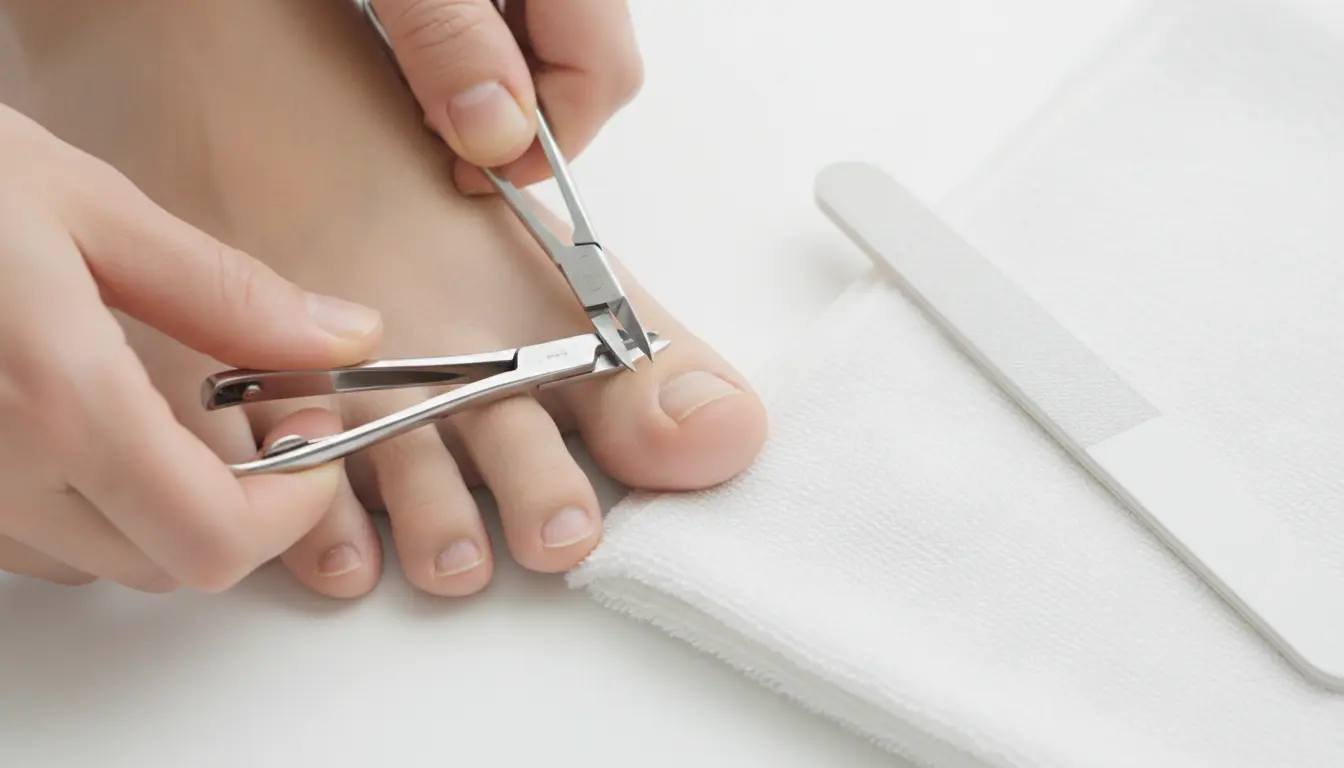
Trim your toenails straight across rather than in a curved arc. This is a commonly recommended technique because it reduces the risk of the nail edge pressing into the surrounding skin as it grows. Use dedicated toenail clippers rather than fingernail clippers; toenail clippers are designed for the greater thickness and width of toenails and give a cleaner cut.
After clipping, use a nail file to smooth any sharp or rough edges. File in one direction rather than back and forth to avoid weakening the nail structure. Aim to trim your toenails every two to four weeks, depending on how quickly your nails grow.
One common mistake: trimming too short. Leaving a small amount of white nail visible at the tip helps protect the nail bed and gives the nail a cleaner, more finished appearance.
Moisture and Conditioning
Nails, like skin, need moisture. Dry toenails can appear dull, feel brittle, and are more prone to catching or breaking. The skin around the nail bed is also particularly susceptible to dryness, which can make nails look older and less groomed than they actually are.
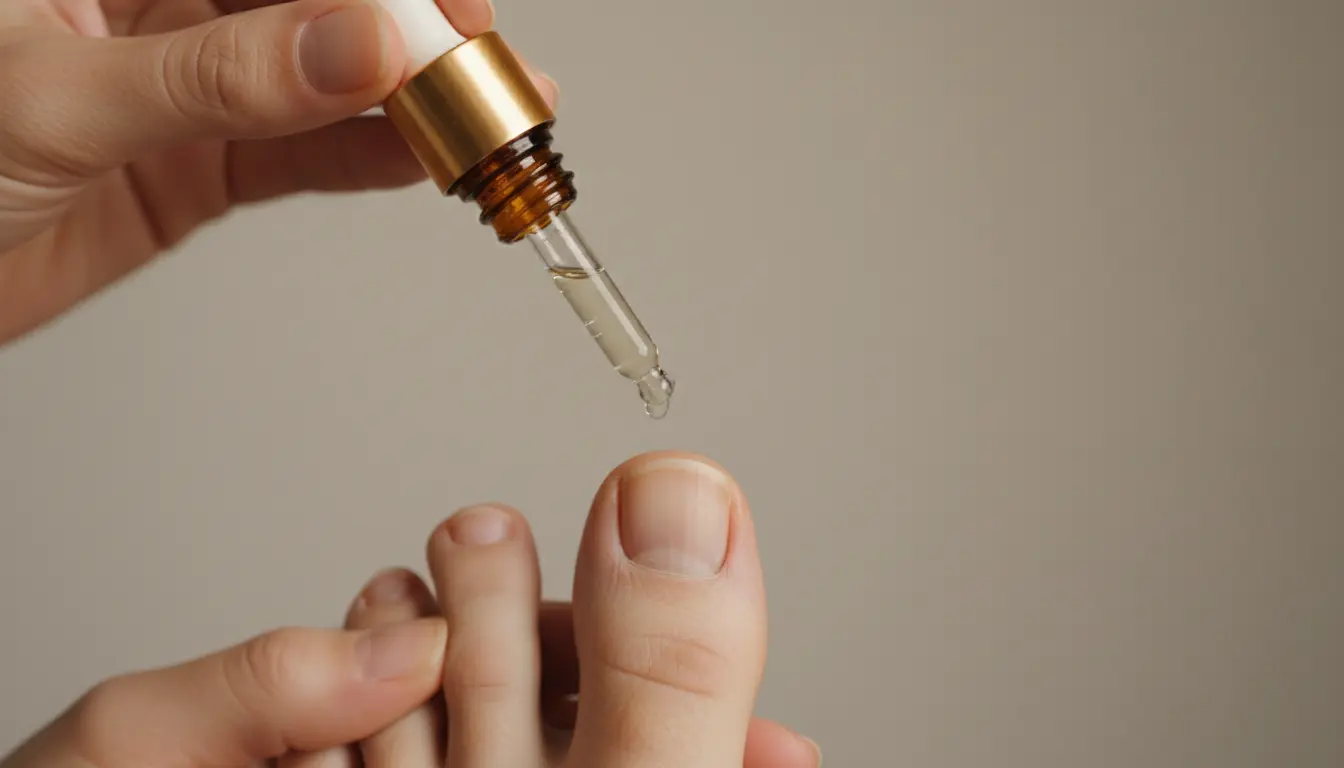
Make moisturizing a non-negotiable step in your routine. After bathing and drying your feet, apply a nail and skin conditioning formula or a quality cuticle oil while the skin is still slightly warm. This is when your skin is most receptive to hydration.
Pay attention to the skin immediately surrounding each nail — the cuticle area and the sides of the nail. These areas tend to dry out faster and respond well to consistent moisturizing. Massage the product in gently to encourage circulation and absorption.
If you're looking for a targeted daily conditioning product specifically designed for toenails and surrounding skin, KlaroNail Premium Formula provides topical nourishing and conditioning support as part of your daily nail care routine.
Choose the Right Footwear
The shoes you wear have a direct impact on how your toenails look and feel over time. Footwear that is too tight compresses the toes and puts pressure on the nail plate, which can affect how nails grow and appear. Shoes with narrow toe boxes are particularly problematic.
Look for shoes with adequate room in the toe area. Your longest toe should have about a half-inch of space between it and the front of the shoe when standing. Natural, breathable materials like leather and mesh allow air circulation, which helps keep the foot environment dry and comfortable.
When possible, give your feet time without shoes or socks — especially after being active. This allows nails to breathe and helps prevent the accumulation of moisture.
When choosing socks, opt for moisture-wicking materials over plain cotton where possible. These fabrics pull sweat away from the skin and help maintain a drier environment around the toes and nails.
Protect Your Nails During Activities
Everyday activities can expose your toenails to more stress than you might realize. Sporting activities, yard work, home projects — all of these put your nails at risk for minor trauma. Protecting them during these activities is a simple but effective part of a complete care routine.
Wear sturdy, well-fitting footwear during exercise and heavy activity. If you're swimming frequently in chlorinated pools, rinse your feet thoroughly afterward and apply a conditioning formula, since chlorine can contribute to dryness in both nails and skin.
After any activity that involves prolonged moisture exposure, dry your feet carefully and allow your nails to air out before applying any conditioning product.
Build a Consistent Routine — And Stick With It
The single most important factor in maintaining healthy looking toenails isn't any one product or technique — it's consistency. A simple routine done daily will always outperform an elaborate one done occasionally.
A practical daily toenail care routine might look like this:
- Morning or after shower: Clean nails with a soft brush, dry thoroughly.
- Post-drying: Apply a nail conditioning formula to each toenail and surrounding skin.
- Weekly: Check nail length and file any rough edges; trim as needed.
- Monthly: Full trim and moisturizing treatment.
This kind of structured approach removes the guesswork and makes nail care automatic rather than reactive. Over weeks and months, the cumulative effect on the appearance of your toenails is genuinely noticeable.
Frequently Asked Questions
Most people benefit from trimming their toenails every 2–4 weeks. Cutting them too short can cause discomfort, while letting them grow too long makes them more susceptible to damage and debris accumulation.
Ideally, use separate clippers for toenails and fingernails. Toenail clippers are typically larger and better suited to the thickness of toenails, giving a cleaner, more controlled cut.
Apply a moisturizing lotion, nail oil, or targeted conditioning formula to the skin around each toenail after bathing, when the skin is slightly warm and receptive. Massage it gently into the cuticle and surrounding skin for best absorption.
Yes. Shoes that are too tight can put pressure on toenails and affect their growth and appearance. Breathable materials and properly fitted footwear help maintain a healthier environment for your nails.
KlaroNail is specifically formulated to be used as part of a daily nail care routine. It provides topical conditioning and nourishing support for toenails and surrounding skin with each application.