When Your Nails Are Telling You Something
Most people only think about their toenails reactively — when something is clearly wrong, when open-toed shoes become relevant, or when someone else notices something they'd rather not have noticed. But toenails send signals about their care needs long before problems become dramatic. Learning to read those early signals gives you the opportunity to improve your routine before the gap between where your nails are and where they could be becomes wide.
None of the signs below require medical attention — they're about the appearance and condition of nails that would benefit from more consistent daily care. They're also all responsive to that care. Here's what to watch for.
Sign 1: Dull, Discolored, or Yellowing Nail Appearance
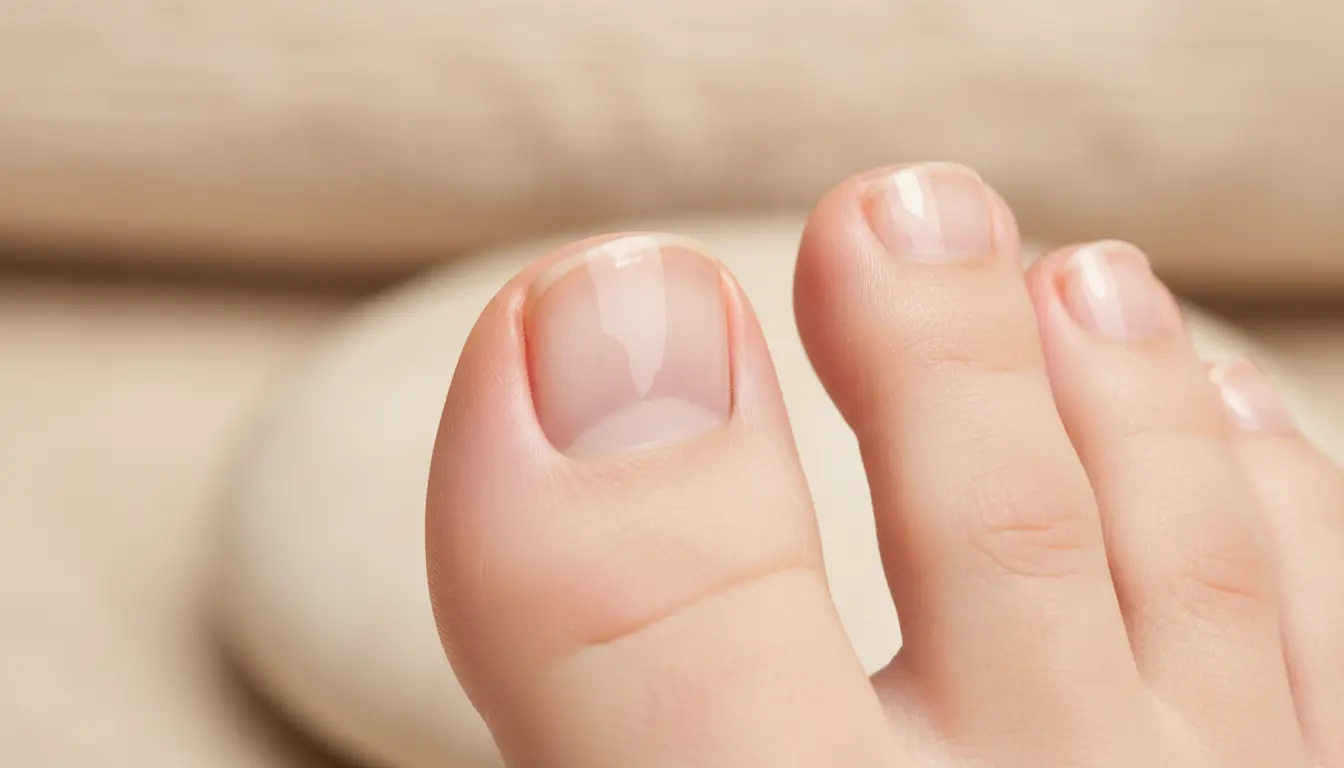
Healthy-looking toenails have a relatively clear, pale pink appearance with a smooth surface that reflects light slightly. When nails consistently look dull, take on a yellowish tone, or appear generally off-color without obvious external cause, it often reflects one of several things: insufficient cleaning allowing surface buildup to accumulate, prolonged nail polish wear without adequate rest periods, or ongoing dryness that affects the nail's surface quality.
A consistent daily cleaning routine — brushing beneath and around nails during each bath or shower — removes much of the surface-level discoloration that makes nails look dull. Following with a conditioning formula helps restore surface quality and supports a cleaner nail appearance over time.
If discoloration is localized, more pronounced, or doesn't respond to improved nail hygiene, a healthcare provider can help rule out any underlying cause worth addressing.
Sign 2: Rough, Ridged, or Uneven Nail Surfaces
Well-conditioned nails tend to have a relatively smooth surface with minimal visible ridging. Pronounced longitudinal (vertical) ridges, pitting, or an uneven, rough texture are signs that the nail needs more regular conditioning support. Horizontal ridges can sometimes reflect periods of physical or nutritional stress on the body, while vertical ridges are more commonly associated with age or chronic dryness.
Consistent daily nail conditioning with a targeted formula helps support surface quality over time. While ridges in the nail plate itself can't be eliminated through topical care alone — the nail needs to grow out — ongoing conditioning supports the appearance of newer nail growth as it emerges and contributes to a smoother surface texture over months of consistent care.
Sign 3: Dry, Ragged, or Pulling Cuticles
The cuticle — the thin skin at the base of each nail — is one of the most informative indicators of nail care consistency. Well-moisturized, properly maintained cuticles lie flat and smooth at the nail base. Cuticles that appear ragged, dry, or seem to be peeling away from the nail plate are showing clear signs of insufficient conditioning and moisture support.
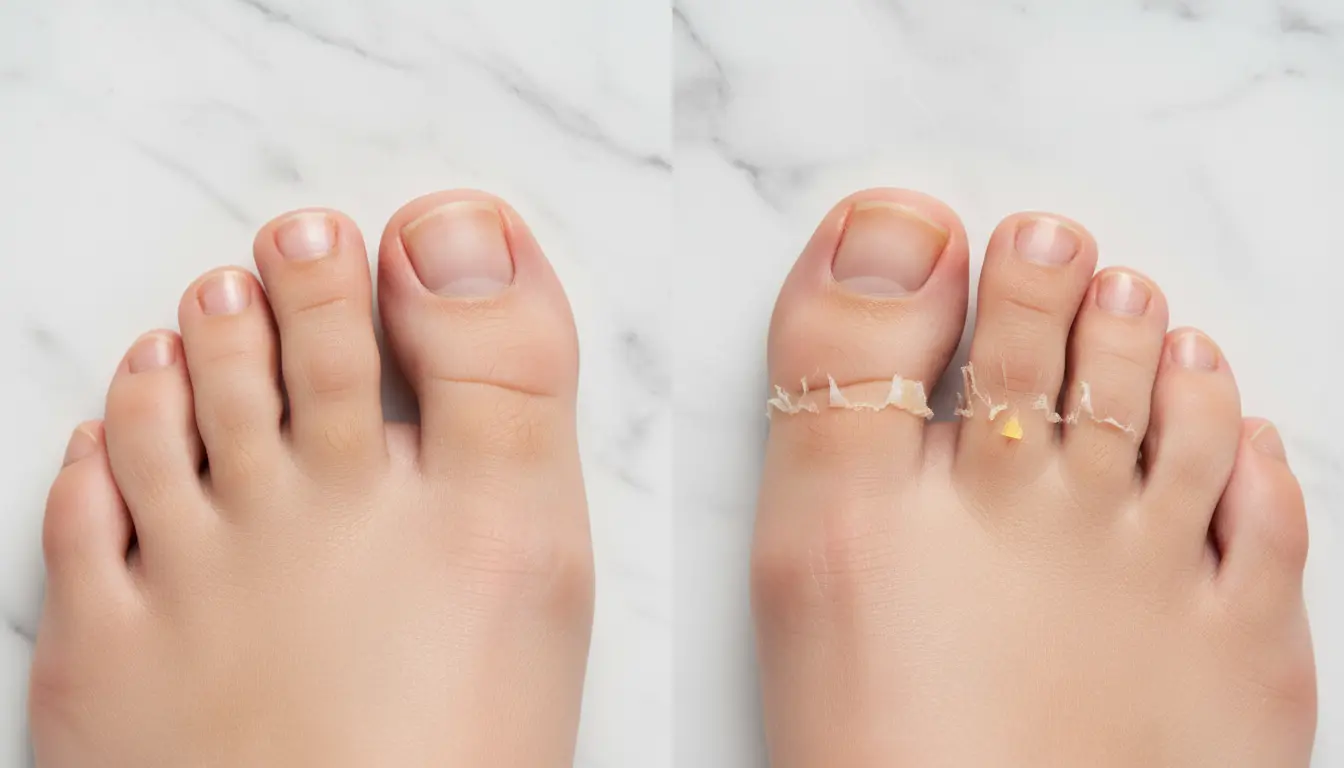
When cuticles are this dry, the skin around the nail often begins to flake or peel as well. This affects the overall appearance of the nail dramatically — making even clean, trimmed nails look significantly less maintained than they are.
Daily conditioning with a formula that is specifically worked into the cuticle area, rather than just applied to the nail surface, addresses this directly. Within two to three weeks of consistent daily conditioning, cuticle appearance typically improves noticeably.
Sign 4: Nails That Break or Chip Easily
Toenails that break, chip, or crack with minimal provocation — during routine trimming, from contact with the interior of shoes, or from relatively light daily activity — are signaling structural weakness related to dryness or moisture imbalance. Nails with adequate moisture are flexible enough to bend slightly before breaking; excessively dry nails are more brittle and less forgiving of the same pressures.
This is one of the most direct signals that your nails need more regular topical conditioning. A daily conditioning formula applied after bathing, every day, addresses moisture balance in the nail consistently over time. Alongside better footwear choices and careful trimming technique, this produces noticeable improvement in nail resilience as part of a sustained routine.
Sign 5: Rough or Flaky Skin Around the Nail
Beyond the cuticle, the skin along both sides of each nail and in the area immediately surrounding the nail plate also provides clear visual signals about care quality. Rough, flaky, or peeling skin around the nail borders makes even well-trimmed nails look considerably less groomed than they should.
This skin is thinner and more delicate than the skin elsewhere on the foot, and it dries out faster — particularly in lower-humidity environments and for people who spend long hours in enclosed footwear. Extending your daily conditioning routine to specifically include this area — not just the nail surface — addresses it effectively with consistent daily application.
Sign 6: Nails That Have Grown Long and Uneven
Long, uneven toenails are the most straightforward and visible sign of an inconsistent or absent trimming schedule. Beyond appearance, overly long nails are more susceptible to trauma from footwear, more likely to harbor debris beneath the nail edge, and can create discomfort when enclosed in tight shoes.
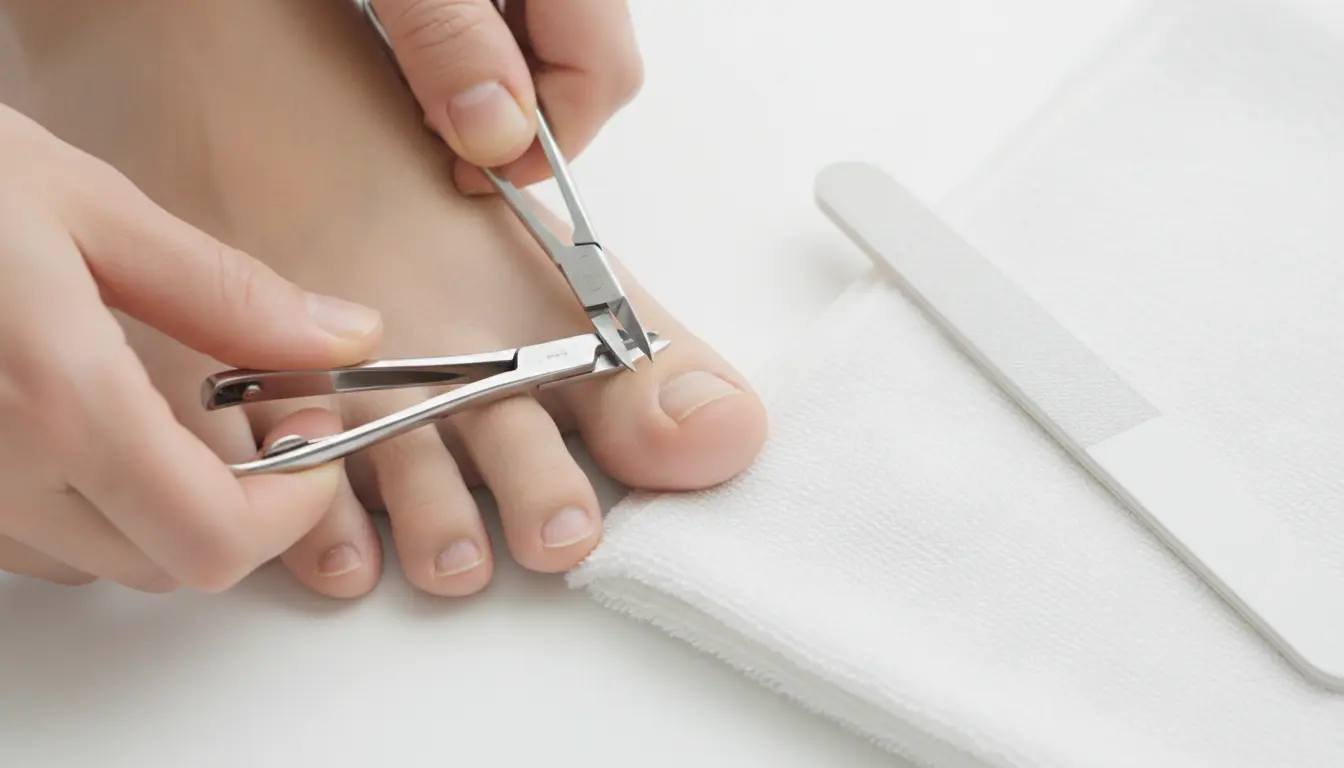
The fix is practical: establish a recurring trimming schedule and keep to it. Every two to three weeks, check nail length and trim where needed, cutting straight across and smoothing edges with a file. This simple habit, maintained consistently, keeps nails in good shape and eliminates this sign entirely within a few weeks of starting.
Sign 7: An Overall Neglected Appearance
Sometimes there's no single standout sign — it's an overall impression that your feet and toenails look like they haven't received much consistent attention. Dry heels, unkempt nails, rough cuticles, and dull nail surfaces can all appear together as a composite picture of routine that has lapsed or never fully developed.
This is actually the most fixable of all situations. A complete daily nail care routine — cleaning, drying, conditioning — combined with a scheduled weekly grooming session, corrects the overall picture reliably over the course of six to eight weeks. The improvement is typically significant enough to notice without needing to look closely.
For the conditioning step, KlaroNail Premium Formula provides targeted daily nourishing and conditioning support for both toenails and the surrounding skin — the most direct tool for addressing the signs above through a sustained daily routine.
Frequently Asked Questions
Discoloration can result from surface buildup, prolonged nail polish wear, or dryness affecting the nail surface. Consistent daily cleaning and conditioning typically helps improve the appearance of discolored-looking nails over time. Consult a healthcare provider if discoloration is pronounced or localized.
Vertical ridges are common and tend to increase with age due to natural changes in nail cell production. They can be minimized in appearance with consistent nail conditioning. Significant changes in ridge patterns should be discussed with a healthcare provider.
Nails that break easily are typically experiencing dryness or moisture imbalance. Daily topical conditioning helps address nail dryness, which is the most common contributor to brittle-looking nails that chip or break under minor contact.
Most people notice initial improvement in surrounding skin softness and nail surface appearance within 2–4 weeks. More significant changes in nail appearance develop over 60–90 days of consistent daily conditioning, as the nail grows and responds to ongoing care.
Yes. Consistent daily care — cleaning, trimming, and conditioning — produces genuine improvement in toenail appearance for most people who maintain the routine. The key is sustained daily effort rather than occasional intensive treatments.