Good Intentions, Wrong Habits
There's a lot of conventional nail care wisdom floating around — some passed down through families, some picked up from quick online searches — that turns out to be either counterproductive or more nuanced than it first appears. Most people who struggle with toenail appearance aren't neglecting their nails; they're actively trying to care for them while unknowingly making choices that undermine their results.
Understanding these common mistakes doesn't require starting over. In most cases, small corrections to existing habits produce noticeable improvements in a relatively short period. Here are the eight most common toenail care mistakes — and what to do instead.
Mistake 1: Cutting Nails in a Curved Arc
Many people trim their toenails using the same curved motion they use for fingernails. For fingernails, which aren't enclosed in footwear, this generally works fine. For toenails, the situation is different.
Toenails that are trimmed with a curved edge on the sides may develop corners that press into the surrounding skin as the nail grows. The skin around the nail is under significant pressure from footwear, and even a slightly rounded nail corner can become a source of discomfort or altered nail growth over time.
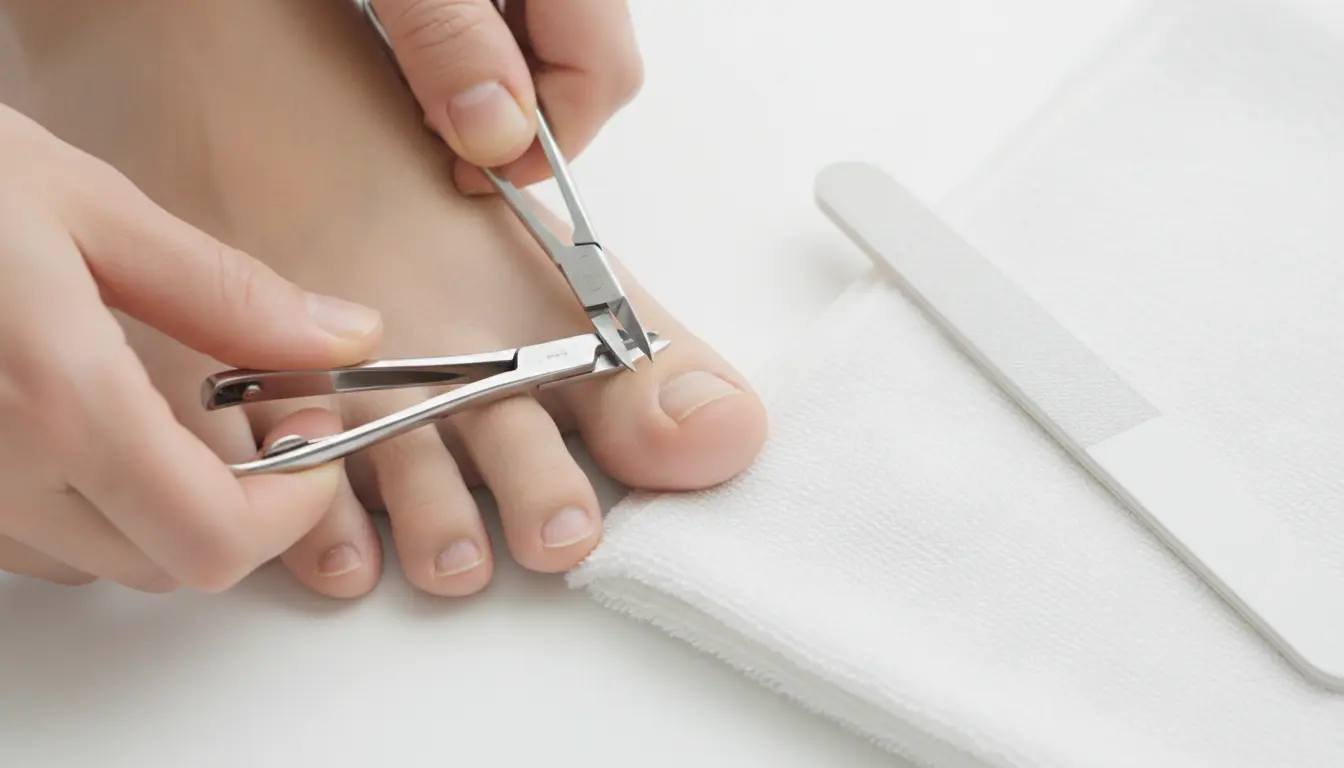
The fix: Trim toenails straight across. After cutting, use a nail file to gently smooth any sharp corners — not to round the nail, but to remove any rough edges that could catch. The nail should still have a relatively flat edge when done correctly.
Mistake 2: Trimming Nails Too Short
Cutting nails as short as possible might seem efficient — fewer trims needed, less risk of edges catching on socks. In practice, it tends to backfire. Extremely short nails expose more of the nail bed, which is more sensitive to pressure from footwear. They also lose the natural protection the nail provides to the underlying tissue.
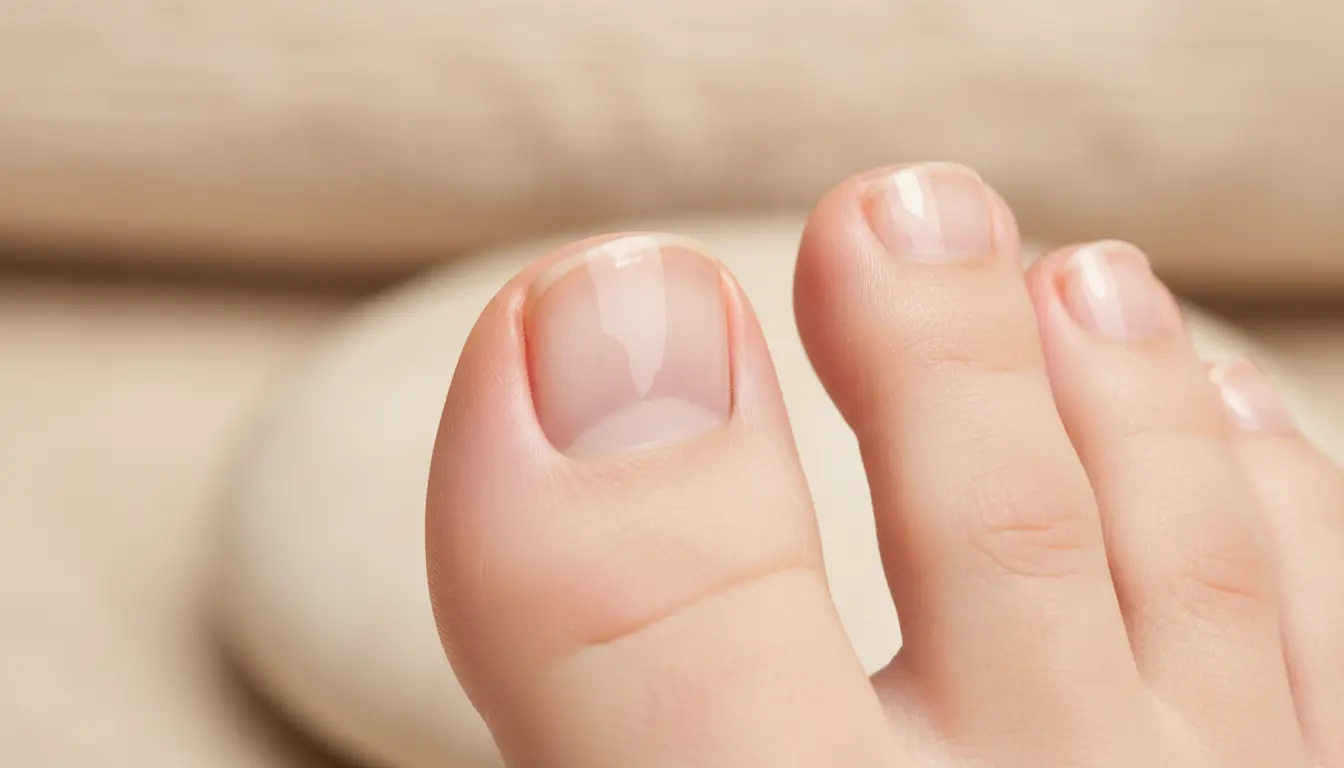
Very short nails often look more rough and uneven than nails trimmed to a moderate length, and the thin white margin at the tip of a properly trimmed nail actually gives the nail a cleaner, finished appearance.
The fix: Leave a small visible white edge at the tip of each nail after trimming. The nail should extend just to or slightly past the end of the toe. This protects the nail bed and gives the nail a clean, well-maintained look.
Mistake 3: Using Dull or Dirty Clippers
A dull clipper doesn't cut — it crushes. Rather than making a clean, precise trim, a dull blade compresses the nail before it cuts through, leaving behind a jagged, split edge that looks unkempt no matter how carefully the technique is applied. These ragged edges then catch on fabric, worsen with wear, and undo the visual improvement trimming was supposed to create.
Dirty clippers are an entirely separate concern. Nail clippers can harbor debris from previous uses. Cleaning them periodically with rubbing alcohol is a basic hygiene step that many people simply never think about.
The fix: Replace or sharpen nail clippers when they no longer produce a clean cut. Clean them with rubbing alcohol every few uses. Quality clippers are an inexpensive investment that make a real difference in trimming results.
Mistake 4: Skipping the Moisturizing Step
Nail care routines almost universally involve cleaning and trimming. Moisturizing is the step that most routines omit — and it's arguably the one that matters most for how nails look and feel on a daily basis.
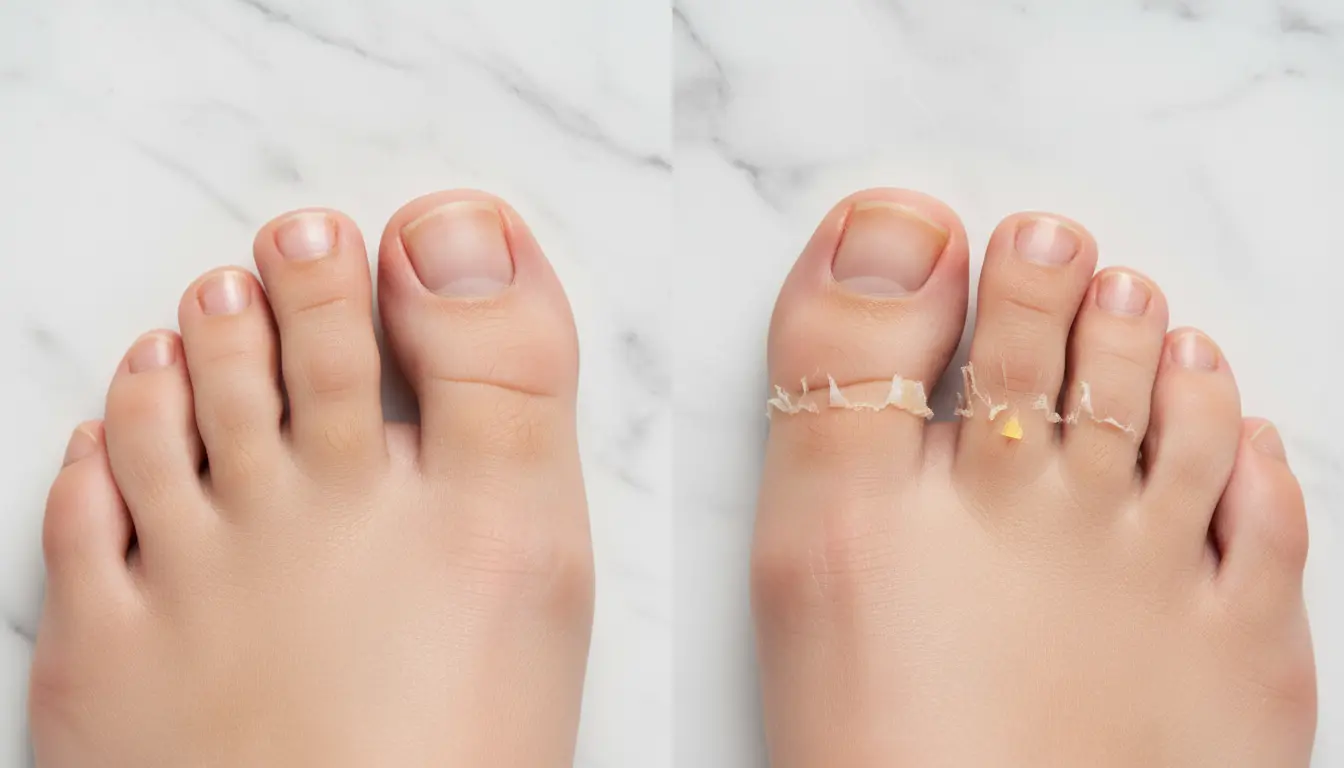
Dry nails look dull. They can develop a rough or slightly powdery surface texture. The cuticles around dry nails look ragged and begin to peel or flake. None of these things are addressed by better trimming technique or more frequent cleaning — they need conditioning. Applying a nail and skin formula daily after bathing addresses all of them over time.
The fix: Make conditioning the last step in your post-bathing routine, every day. Apply KlaroNail Premium Formula to each toenail and surrounding skin. Allow it to absorb before putting on socks. Do this without exception.
Mistake 5: Ignoring the Skin Around the Nail
Toenail care doesn't stop at the nail plate. The cuticle and the skin along the sides and base of each nail are just as visible as the nail itself, and their condition has a significant effect on overall nail appearance. Rough, dry, or ragged nail border skin makes well-trimmed nails look far less groomed than they should.
Most nail care products applied only to the nail surface — rather than being worked into the surrounding skin — miss this area entirely, which is why it tends to remain dry even in people who otherwise condition their nails.
The fix: When applying your conditioning formula, explicitly extend it to the cuticle area, the lateral nail folds, and the skin immediately around each nail. Massage it in gently. This adds about ten seconds per nail and makes a visible difference in the overall look of the nail area.
Mistake 6: Wearing the Wrong Shoes
Footwear is an ongoing nail care decision, even though it doesn't feel like one. Shoes that are too narrow or too short put persistent pressure on toenails. This compression can affect nail growth patterns and make nails look distorted or thickened over time. Non-breathable shoe materials trap moisture around the foot, which compounds other nail care challenges.
People who wear ill-fitting footwear day after day are fighting an uphill battle with their nail care routine — the footwear is constantly working against whatever conditioning they apply at home.
The fix: Prioritize footwear fit. When shoe shopping, stand — not sit — when testing fit. Choose breathable uppers. Give nails ventilation time at home by going barefoot or wearing open footwear when practical.
Mistake 7: Being Inconsistent With Your Routine
Nail care done sporadically — two days on, four days off, then a week of intensive attention followed by another week of nothing — produces minimal results regardless of the quality of products used. The underlying biology of nail care requires sustained, regular conditioning to show visible improvement.
Inconsistency is the most common reason people conclude that "nothing works" for their nails. The issue is rarely the product. It's the irregular application pattern that prevents any product from working.
The fix: Anchor your nail care routine to an existing daily habit — immediately after your morning or evening shower — so it happens automatically rather than requiring a separate decision each day. Consistency over sixty to ninety days produces results that sporadic intensive effort never will.
Mistake 8: Expecting Overnight Results
This is perhaps the most universal nail care mistake. Toenails grow approximately 1.5 to 2 millimeters per month. Meaningful visual improvement from a topical care routine requires sustained effort over weeks and months, not days. People who start a new routine and abandon it after ten days because they don't see dramatic changes have stopped exactly when the foundation for future improvement was being laid.
The visible portion of a toenail represents months of growth. Conditioning that nail and the surrounding skin to look noticeably better takes time — the kind of time most modern consumers aren't accustomed to waiting for.
The fix: Commit to your nail care routine for a minimum of ninety days before evaluating results. Take a photo on day one. Compare it objectively at day sixty and day ninety. Most people who follow through with genuine daily consistency are genuinely pleased by what they see at the ninety-day mark.
Frequently Asked Questions
For toenails specifically, cutting straight across is the most commonly recommended technique. Curved cuts can create edges that press into the surrounding skin as the nail grows out, particularly given the pressure of enclosed footwear on toenails.
Yes. Dull clippers crush and tear the nail rather than cutting cleanly, leaving jagged edges that look unkempt. These edges also tend to catch on fabric and worsen further. Replace or sharpen clippers when they stop cutting cleanly.
Without regular conditioning, nails become drier and more brittle-looking over time, and the cuticles and surrounding skin deteriorate visibly. No amount of better trimming technique compensates for consistently dry, unconditioned nails and nail skin.
At least 60–90 days of consistent daily practice. Toenails grow slowly, and visible improvement requires sustained effort over this timeframe. Abandoning a routine too early — before results have had time to accumulate — is one of the most common reasons people conclude that nail care "doesn't work" for them.
Leave a small visible white tip at the end of the nail after trimming — do not cut all the way back to the skin. This protects the nail bed from footwear pressure and gives the nail a clean, finished appearance rather than an overly short, raw-looking edge.