Natural Doesn't Mean Passive
When people talk about "natural" approaches to health or beauty, there's sometimes an implicit assumption that doing less is more natural and therefore better. In the context of nail care, that assumption leads people to skip conditioning routines, assume their diet is already perfect, and wait for nails to improve on their own — which rarely happens at any meaningful pace.
The most effective natural nail care is actually an active, consistent process. It involves using botanically sourced ingredients in targeted topical applications, making deliberate nutritional choices, staying well hydrated, and building a reliable daily routine. Natural doesn't mean effortless — it means thoughtful, consistent, and grounded in real-world evidence about what works.
Here's a practical overview of the natural strategies most relevant to supporting healthier looking toenails.
Nutritional Support From the Inside
What you eat forms the internal foundation for nail appearance. Nails are made primarily of keratin — a structural protein — and the nutrients required to produce and maintain keratin come from your diet. While dramatic nutritional deficiencies are relatively uncommon in people who eat varied diets, marginal intake of certain key nutrients can contribute to nails that look less than their best over time.
Biotin (Vitamin B7) is the most frequently discussed nutrient in nail care. Found naturally in eggs, almonds, whole grains, and dark leafy vegetables, biotin plays a role in keratin infrastructure. Research on biotin supplementation shows mixed results in healthy individuals with adequate dietary intake, but for those eating diets lower in biotin-rich foods, increasing consumption may support nail appearance over time.
Zinc is involved in protein synthesis and cellular repair — both directly relevant to nail production. Good dietary sources include pumpkin seeds, beef, legumes, cashews, and oysters. People who follow restrictive diets may have lower zinc intake, which can potentially affect nail appearance.
Vitamin E is a fat-soluble antioxidant that supports skin health and moisture retention — relevant both to the nail surface and to the skin surrounding each toenail. Found in almonds, sunflower seeds, avocado, and olive oil.
Iron supports the delivery of oxygen and nutrients throughout the body, including to the nail matrix where nails grow. Consistently low iron can sometimes affect nail appearance. A healthcare provider is the right resource for evaluating iron status if you suspect this may be a factor.
A varied whole-food diet covering these nutritional bases provides a solid internal foundation. Supplementation should be considered only in consultation with a healthcare provider — more is not always better with micronutrients, and some can have adverse effects at high doses.
Stay Well Hydrated — It Shows in Your Nails
Hydration influences nail and skin condition more noticeably than many people realize. Consistently well-hydrated nails tend to look more supple and maintain a healthier surface texture. Chronic dehydration, on the other hand, can contribute to the dry, brittle-looking nail appearance that is one of the most common nail care concerns.
There's no single universally correct amount of water to drink — it varies by body size, activity level, climate, and individual physiology. Most adults benefit from around 1.5–2 liters of fluid daily, with a significant portion coming from water-rich foods like vegetables and fruits. The most reliable hydration indicator is urine color: pale yellow suggests adequate hydration; darker yellow suggests more fluid is needed.
Topical conditioning compensates partially for environmental moisture loss in nails and skin, but it works best in combination with adequate systemic hydration rather than as a substitute for it.
Natural Botanical Oils for Topical Nail Care
Several plant-derived oils have well-established reputations in topical nail and skin care. These are among the most relevant:
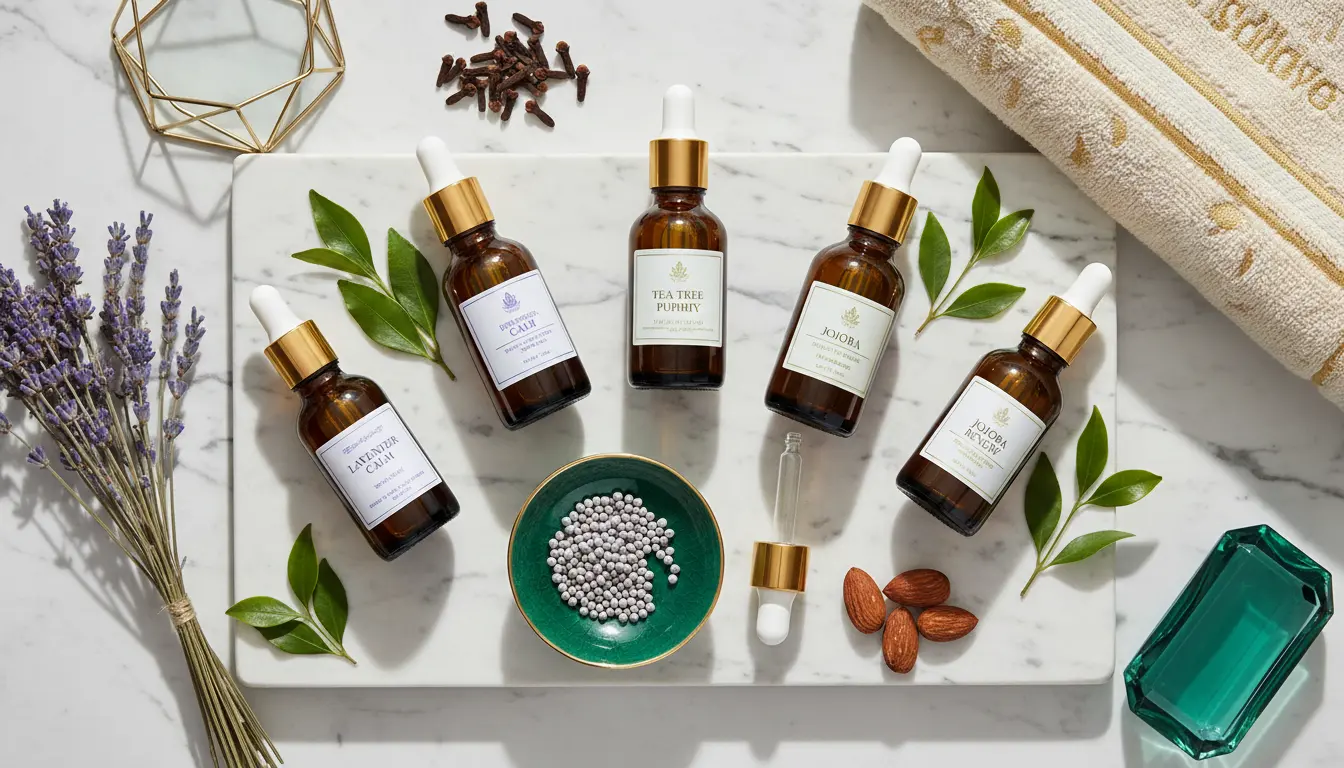
- Jojoba Oil: Technically a liquid wax, jojoba closely resembles the skin's own natural sebum. It absorbs readily without leaving a greasy residue, making it one of the most effective conditioning carriers for the nail plate and surrounding skin. It's widely used as a base in nail care formulations for this reason.
- Tea Tree Oil: Derived from the Australian Melaleuca tree, tea tree oil has a long history of use in topical skin and nail care. Valued for its clarifying and soothing properties, it is a common ingredient in nail care formulations. Should be diluted before direct skin application.
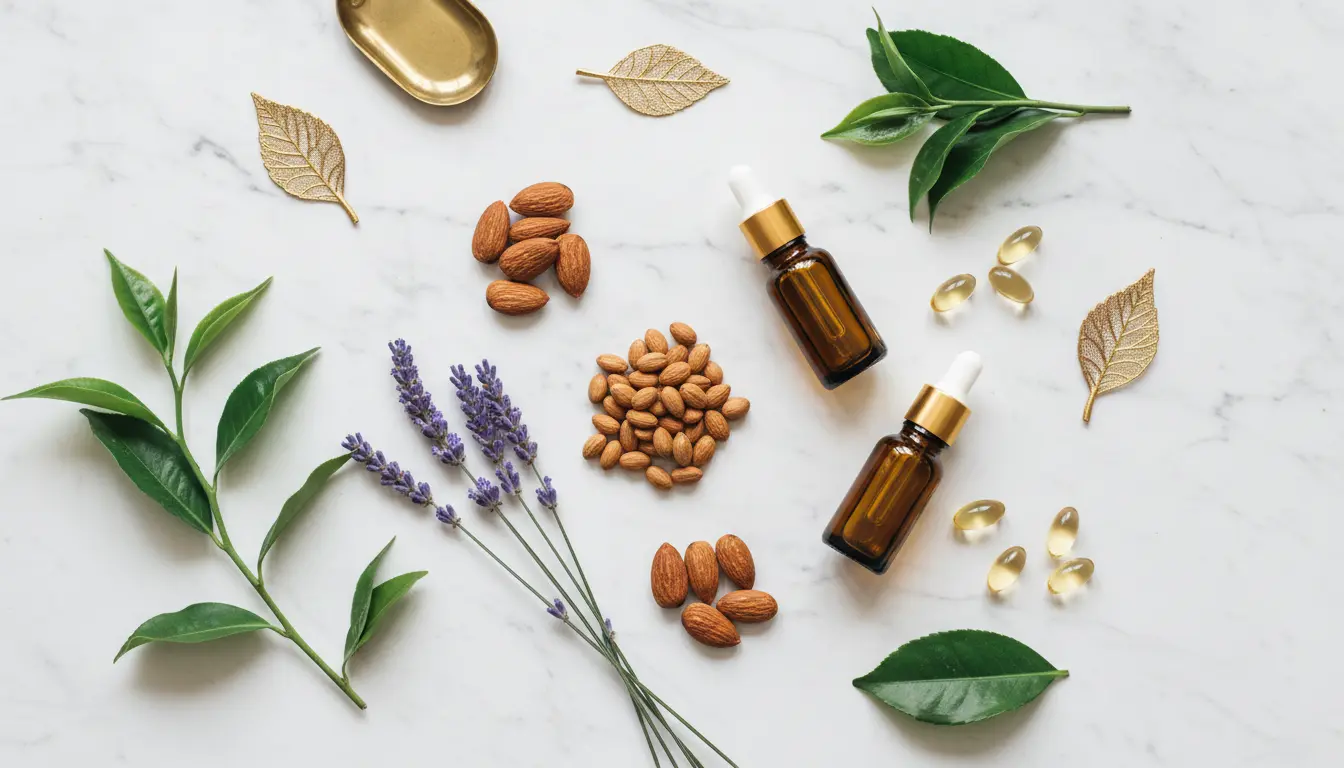
- Sweet Almond Oil: Lightweight and nourishing, almond oil softens and smooths the skin surrounding toenails while providing gentle conditioning to the nail plate. Its moderate absorption rate makes it easy to incorporate into a daily routine without creating a slippery surface.
- Lavender Oil: A calming botanical widely used in skin care for its soothing properties. Applied to the nail border and surrounding skin, lavender oil supports skin comfort and contributes to an overall conditioning environment.
- Vitamin E Oil: Applied topically, vitamin E provides antioxidant support and deep moisturizing benefit to both the nail and the skin around it. Often used alongside carrier oils for enhanced conditioning effect.
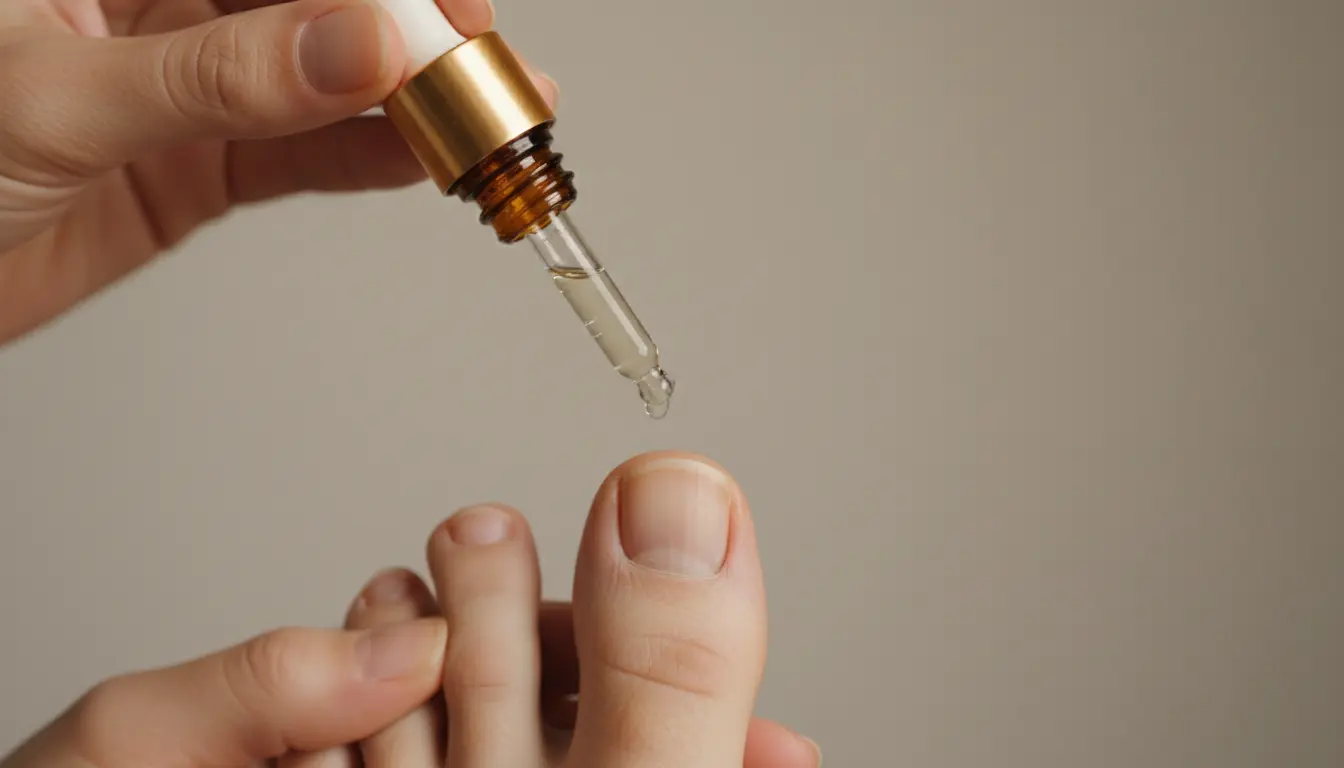
These botanical ingredients are incorporated into well-formulated nail care products like KlaroNail Premium Formula — which combines several of them in a ready-to-use daily conditioning application designed specifically for toenails and surrounding skin.
Avoid Harsh Chemical Exposure
Natural nail care also means protecting nails from unnecessary contact with substances that strip their natural moisture. Household cleaning products — dish detergents, bleach-based cleaners, general-purpose solvents — can dry out both nails and skin with repeated exposure. For people who clean regularly without gloves, this is one of the most impactful and underappreciated contributors to poor nail appearance.
Wearing protective gloves during household cleaning tasks is a simple, effective intervention. After any accidental chemical exposure, rinse the affected area thoroughly with water and apply your conditioning formula. If you swim regularly in chlorinated pools, rinse your feet carefully after each session and follow with conditioning — chlorine is particularly effective at stripping moisture from both nails and skin.
Acetone-based nail polish removers, if used on fingernails, also affect the nails significantly. Non-acetone formulations are gentler. For people who use nail polish on toenails, giving nails periodic rest days without polish allows the nail plate to recover any accumulated moisture loss.
Consistency: The Most Natural Nail Care Strategy of All
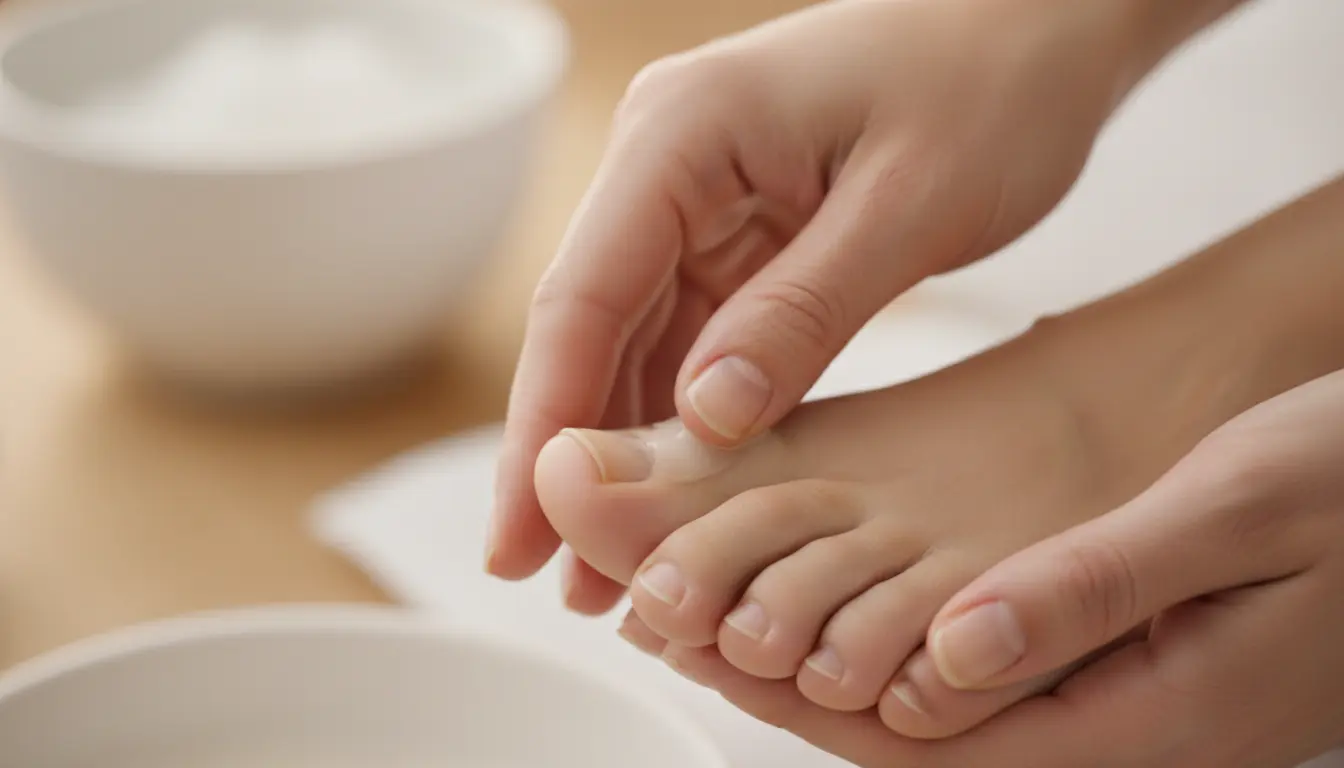
There's no single product, oil, or dietary change that transforms nail appearance quickly. What creates real, lasting improvement is the same simple routine, performed every day: clean nails, dry thoroughly, apply conditioning support, wear appropriate footwear, and give nails time to breathe.
This is as natural an approach as it gets — no harsh chemicals, no complex interventions, no extreme measures. Just consistent, gentle daily attention over a sustained period. Give it sixty to ninety days of genuine daily effort before evaluating results. The improvement in how your nails look and the skin around them feels is typically meaningful and worth maintaining.
Frequently Asked Questions
Biotin (B7), zinc, vitamin E, and iron are among the nutrients most commonly associated with supporting nail appearance. A varied, whole-food diet provides a good internal foundation. Supplementation should be discussed with a healthcare provider.
Consistent hydration supports the overall condition of nails and surrounding skin. Dehydration can contribute to dry, brittle-looking nails, so adequate daily fluid intake is a genuine supportive factor — particularly when combined with topical conditioning.
Yes. Jojoba oil's molecular structure closely resembles the skin's natural oils, allowing it to absorb readily without leaving a greasy residue. It is one of the most effective conditioning carriers for both nail plate and surrounding skin, and is a key ingredient in quality nail care formulations.
Yes. Repeated exposure to household cleaning chemicals, solvents, and harsh detergents strips moisture from nails and surrounding skin. Wearing gloves during cleaning and rinsing feet after chemical exposure helps protect nail appearance over time.
Because toenails grow slowly, consistent natural care routines typically produce visible results over several weeks to months of daily practice. Most people who maintain a genuine daily routine notice meaningful improvement by the 60–90 day mark.