Why Foot Grooming Is Often Overlooked
Feet spend most of their lives inside socks and shoes, rarely on display, and easy to ignore until something makes them impossible to overlook. This is understandable — out of sight, out of mind. But it means that when feet do get attention, it's usually reactive: dealing with the accumulated effects of months of neglect rather than maintaining a steady baseline of good care.
The encouraging truth is that maintaining well-groomed feet and toenails doesn't require elaborate routines, expensive tools, or significant time commitments. It requires a small collection of consistent habits done on a reliable schedule. Done together, they make well-groomed feet the default state rather than something you scramble toward for special occasions.
This guide outlines a practical approach to foot and toenail grooming that fits into any lifestyle — from the person who has never thought about it before to someone who wants to optimize an existing routine.
The Essentials of Clean Feet
Clean feet begin with deliberate daily washing. During every shower or bath, use mild soap and take a moment to wash the tops and soles of your feet, between your toes, and around each toenail. A soft-bristled nail brush is invaluable for this step — it cleans beneath the nail edge and around the nail border far more effectively than fingers or a washcloth alone.
After washing, thorough drying is non-negotiable. Moisture left between the toes and around nail edges creates conditions that work against nail and skin appearance over time. Use a clean, dry towel to pat each foot carefully — not just the tops and soles, but specifically between every toe and around each nail. This extra thirty seconds genuinely matters when practiced daily.
If you have particularly active feet — exercise frequently, spend long hours in closed shoes, or are on your feet all day professionally — consider a mid-day foot check when possible. Removing shoes briefly and allowing feet to air out during long workdays is a simple habit that makes a noticeable difference over time.
Nail Trimming Fundamentals
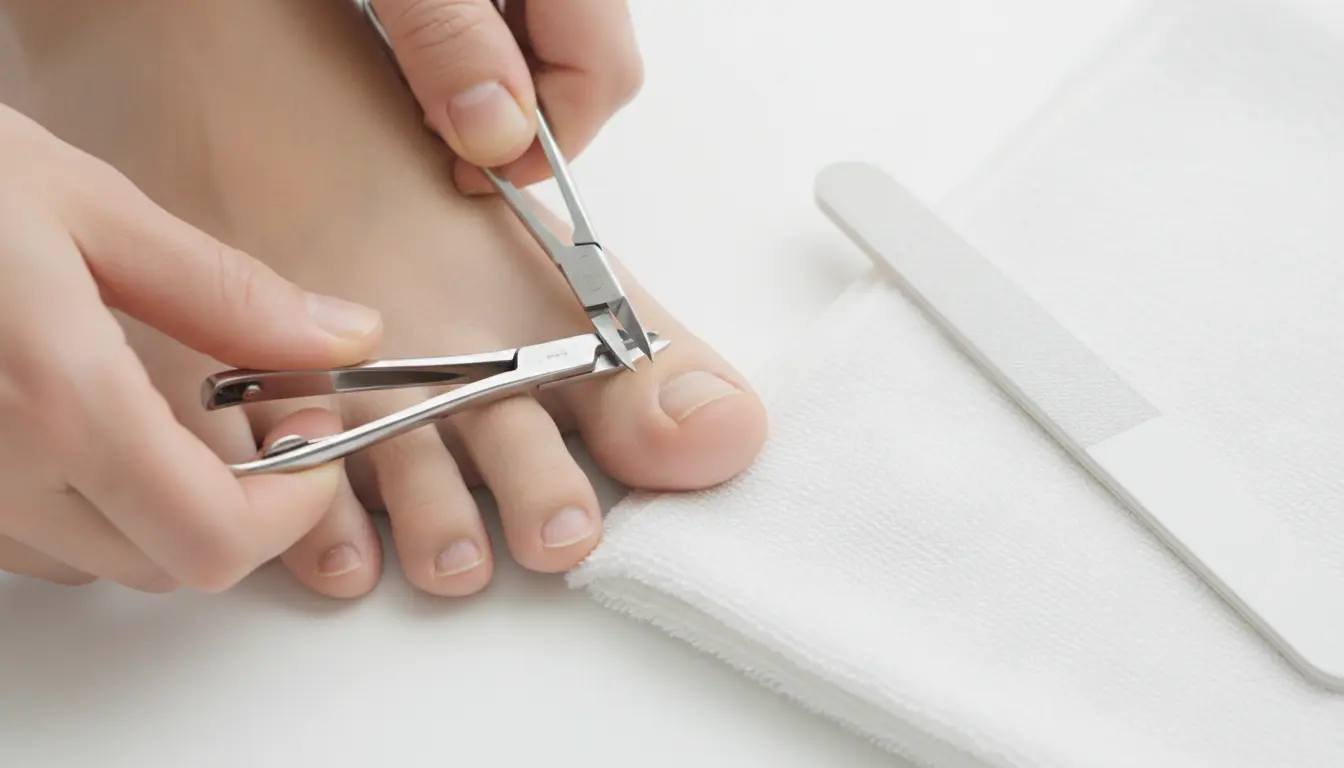
The first rule of toenail trimming is to use the right tools. Dedicated toenail clippers — wider and more robust than fingernail clippers — produce a cleaner cut through the greater thickness of toenails. Keep them clean and replace them when they begin to crush rather than cut; dull clippers tear the nail rather than trimming it cleanly, leaving ragged edges that look unkempt no matter how careful you are.
Technique is equally important. Cut straight across rather than following the curve of the nail tip. After clipping, smooth any rough edges with a nail file, moving in a single direction rather than sawing back and forth. One-directional filing preserves the nail's structural integrity and produces a smoother edge.
Maintain a regular trimming schedule — every two to three weeks is appropriate for most people. The exact frequency depends on your personal nail growth rate, but scheduling it consistently rather than waiting until nails feel uncomfortable transforms trimming from a reactive task into a proactive grooming habit. Set a phone reminder if that helps build the routine initially.
One common error worth addressing: cutting nails too short. Leaving a small amount of white nail visible at the tip protects the nail bed and gives nails a clean, finished appearance. Overly short nails can be sensitive under pressure from footwear and may look more rough than well-maintained.
Caring for Cuticles Without Overdoing It
The cuticle — the thin rim of skin at the base of each nail — performs an important function: it seals the gap between the nail plate and the surrounding skin, protecting the nail matrix from exposure. Cutting cuticles aggressively removes this protective barrier, which is why it's generally not recommended as a grooming practice.
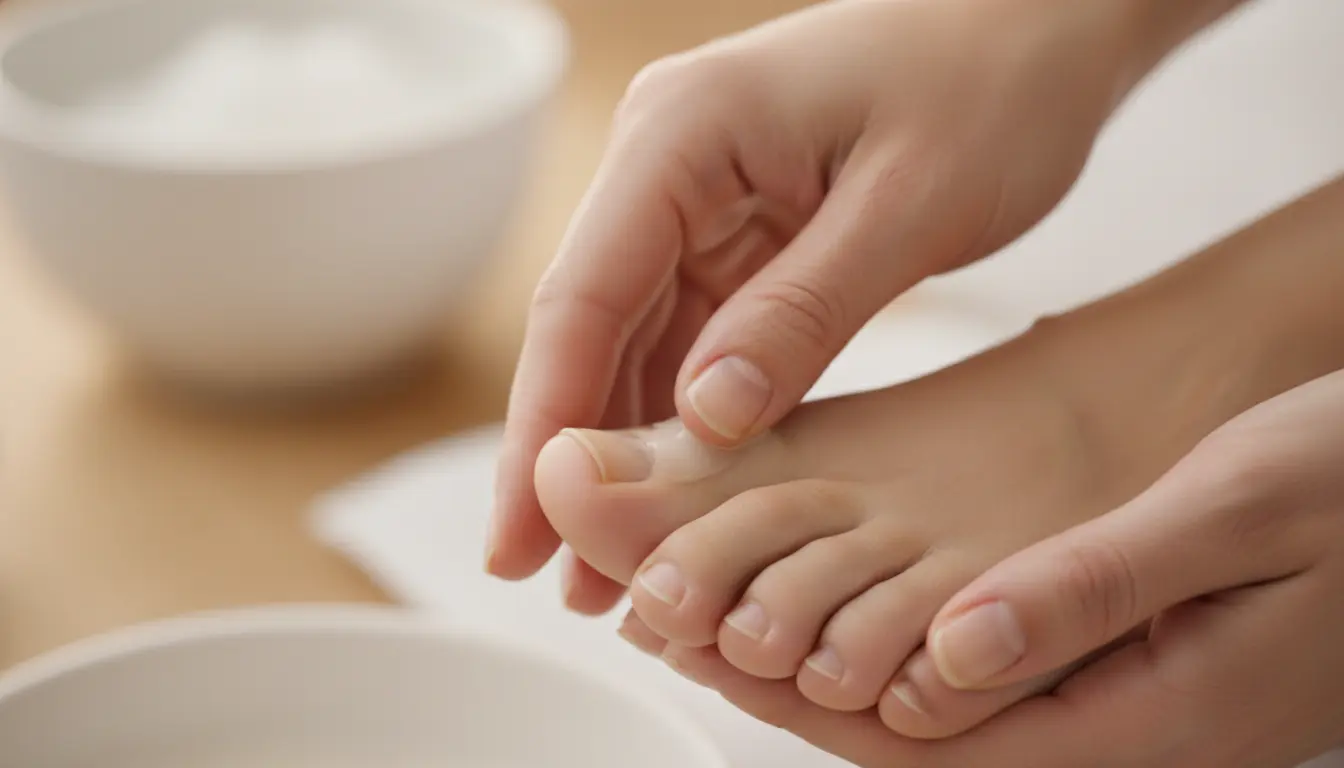
The better approach is gentle management rather than removal. After bathing, when cuticles have been softened by warm water, use a wooden cuticle stick or soft orange stick to gently push them back. Apply light, even pressure and don't force anything that resists. This keeps cuticles tidy without disrupting their protective function.
After pushing cuticles back, apply a conditioning oil or targeted nail formula to the area. Massaging it gently into the cuticle and surrounding skin helps maintain softness and prevents the ragged, dry appearance that develops when cuticles are neglected. This takes about thirty seconds per foot and is one of the highest-impact steps in a grooming routine for how much it improves the overall appearance of the nail area.
Softening and Managing Rough Skin
Rough, calloused skin on the heels and balls of the feet is a natural consequence of walking and pressure distribution. A moderate amount of callous is actually protective, but excessive buildup can crack and become uncomfortable, and it makes feet look significantly less groomed than they would otherwise.
The most effective way to manage rough skin is consistent, gentle maintenance rather than infrequent, aggressive treatment. After soaking feet in warm water for five to ten minutes — which softens the skin significantly — use a pumice stone or foot file to gently reduce buildup on rough areas. Apply light, even strokes and stop before the skin feels sensitive. Follow immediately with a moisturizer or conditioning formula to prevent the area from drying out again.
Do this weekly as part of your grooming routine and you'll find that rough skin stays manageable without ever requiring a dramatic intervention. The key is the regularity — consistent gentle maintenance is far more effective than occasional intensive treatments.
A Simple Weekly Grooming Routine
For most people, a fifteen-minute weekly grooming session — combined with brief daily attention — is all it takes to maintain consistently well-groomed feet and toenails. Here's a practical template you can adapt:
- Soak: Place feet in a basin of warm water for five to ten minutes to soften nails, cuticles, and skin.
- Clean: Use a soft nail brush with mild soap to clean around and beneath each nail.
- Trim: Clip any nails that have grown beyond the toe tip, cutting straight across.
- File: Smooth all nail edges in one direction with a nail file.
- Cuticles: Gently push back softened cuticles.
- Rough skin: Use pumice on any calloused areas while the skin is still soft.
- Dry: Dry thoroughly — including between all toes.
- Condition: Apply your daily nail conditioning formula to each toenail and surrounding skin.
Build this weekly session into an existing routine — Sunday evening, weekend morning, or any block of time that works reliably for your schedule. Pair it with your daily steps (clean, dry, condition) and you'll have a complete, sustainable foot grooming approach that requires minimal total effort and produces maximum visible results.
For the daily conditioning step, KlaroNail Premium Formula provides targeted topical support for toenails and surrounding skin — easy to apply, fast-absorbing, and designed for consistent everyday use.
Frequently Asked Questions
A thorough grooming session once a week — combined with daily cleaning and conditioning — is typically sufficient for most people to maintain well-groomed feet and toenails consistently.
Cutting cuticles is generally not recommended because they serve a protective function at the nail base. A better approach is to gently push them back after bathing when soft, then apply a conditioning formula to maintain softness and prevent dryness.
Soaking feet in warm water for 5–10 minutes softens hard skin effectively. After soaking, a pumice stone used gently on the softened areas helps reduce buildup. Follow immediately with a moisturizer or conditioning formula to lock in hydration.
Dry thoroughly between the toes after every bath or shower — this is the single most important step. Choose moisture-wicking socks and give feet regular ventilation time at home to maintain a healthy environment in this area.
Body lotion provides general moisturizing benefit to the foot skin. For targeted nail plate and cuticle conditioning, a formula specifically designed for nails — like KlaroNail — delivers more focused support to the areas that need it most.